

Two-Thirds of UN SDG Targets Are Failing: NPO Calls to Abolish SDGs for 18 Requirements with AI Education and Governance
Global Collaborative Sustainability Requirements Logo

18 GCSR AI EDUCATION & GOVERNANCE
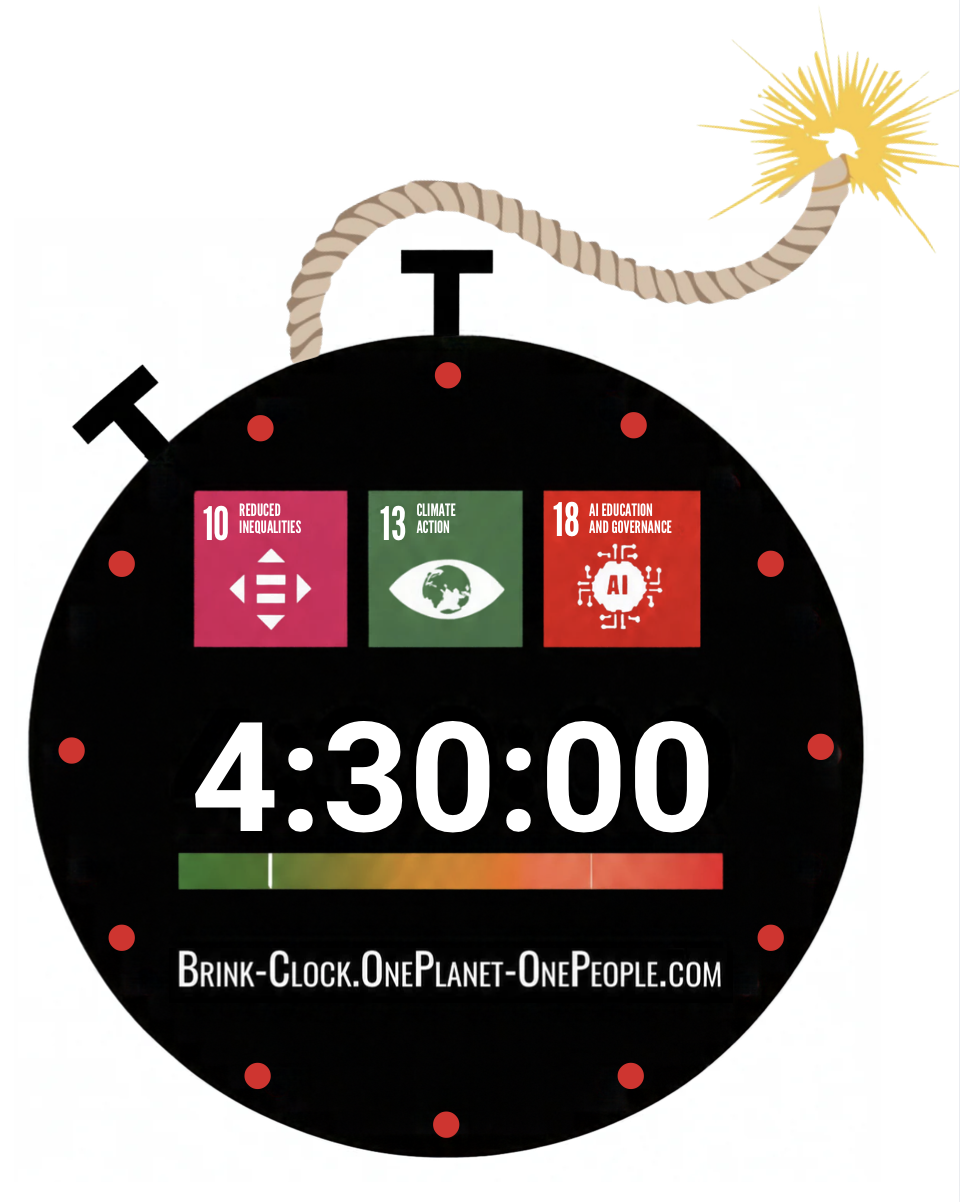
BRINK: Billions-at-Risk Indicator & Notification Klaxon
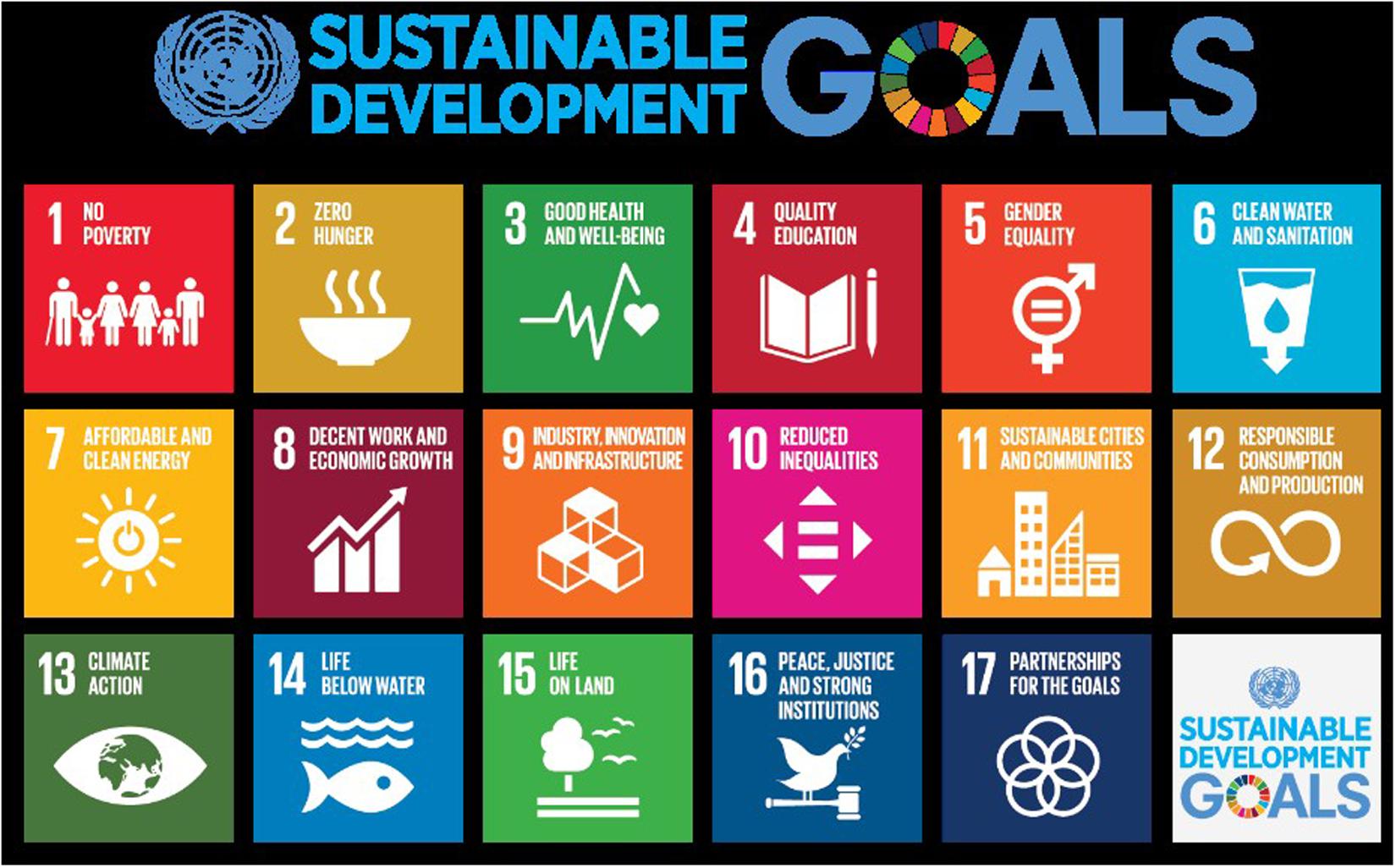
17 SDGs
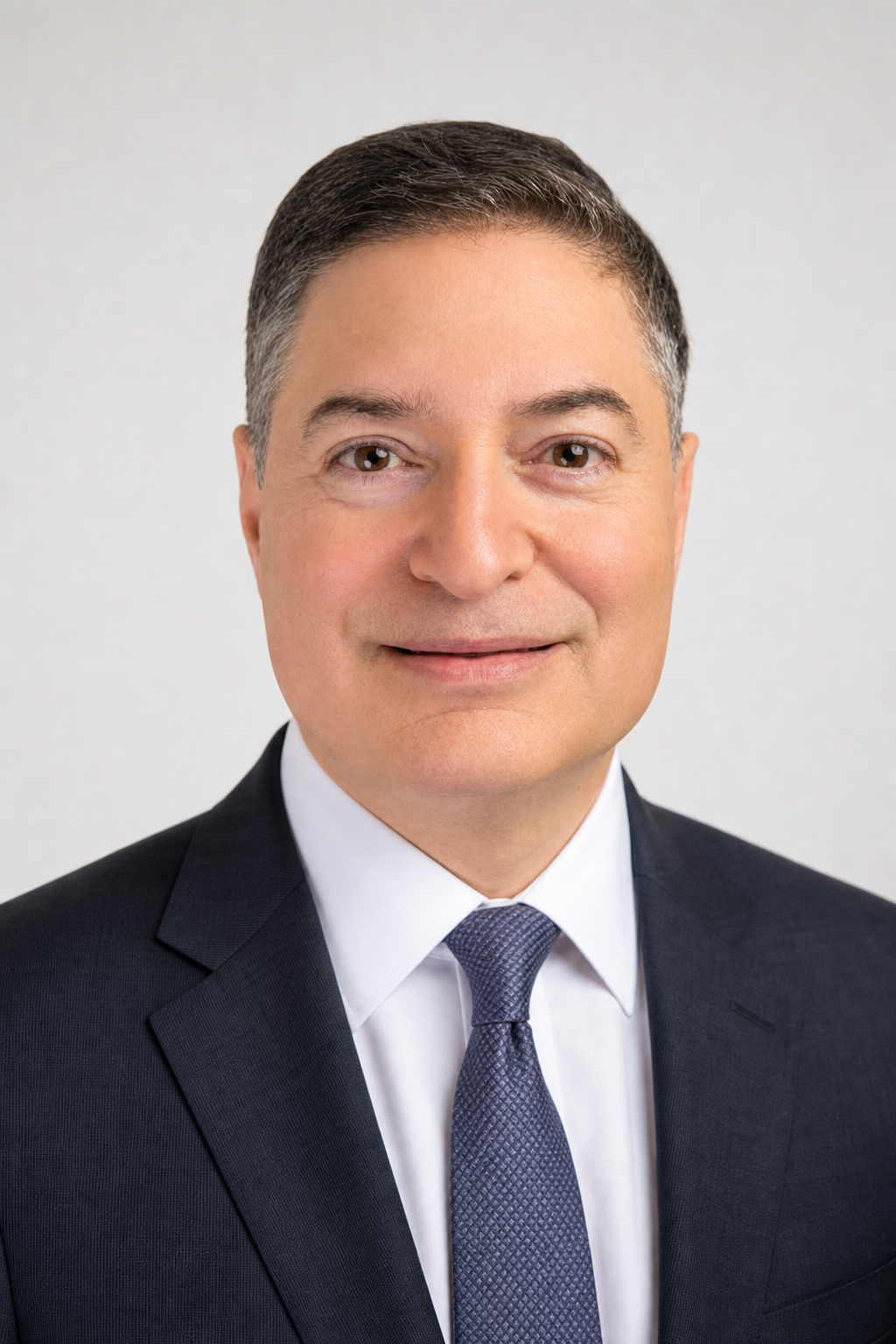
Lyle Benjamin Headshot
One Planet – One People: Abolish UN's 17 Sustainable Development Goals for 18 Global Collaborative Sustainability Requirements with AI Education and Governance
NEW YORK, NY, UNITED STATES, October 6, 2026 /EINPresswire.com/ -- One Planet – One People (1POP), a 501(c)(3) nonprofit organization, today called for the United Nations' voluntary Sustainable Development Goals (SDGs) to be abolished and replaced with 18 Global Collaborative Sustainability Requirements (GCSR): The 17 SDG areas restated as requirements, plus an 18th, AI Education and Governance, which has no counterpart in the SDG framework.
Each requirement would carry measurable commitments, deadlines, and a public reporting schedule. The call comes as the One Planet Crisis Countdown Clock (BRINK), which tracks how close AI, environmental decline, and global inequality are to irreversible tipping points, stands at Four Minutes and 30 Seconds to Midnight. At stake is the quality of life of 8 billion people.
The UN's own numbers
• The UN's SDG Report 2026 (July 7) found that of 139 assessable targets, only 36% are on track or making moderate progress, 49% are moving too slowly, and 15% have regressed below their 2015 baseline.
• The Sustainable Development Solutions Network's Sustainable Development Report 2026 (June 23) found that none of the 17 goals is on track and only 16% of targets are projected to be met by 2030. Sustainable cities, life below water, life on land, and peace, justice, and strong institutions were singled out as particularly off track.
• The same UN report documents real gains, including nearly one billion people gaining access to safely managed drinking water and electricity now reaching 92% of the world. 1POP's argument is not that the SDGs achieved nothing. It is that voluntary goals, written even before frontier AI existed, are behind the times and cannot deliver what this coming decade requires.
“Seventeen optional goals written in 2015 cannot be the shield for a world facing autonomous weapons, collapsing carbon sinks, and mass tech-driven displacement,” said Lyle Benjamin, Founder of One Planet – One People and author of ONE: The Fight for Survival of the Human Race.
“A goal is something you're allowed to miss. We've missed them for over a decade. It's time to replace the SDGs with collaborative sustainability requirements.”
Why now
Formal UN discussions on the post-2030 development agenda are expected to begin in 2027, as a new Secretary-General takes office. The framework that follows the SDGs is about to be written, and the AI warnings of the past month make the stakes clear:
• On September 27, Microsoft co-founder Bill Gates told NBC's Meet the Press that AI is powerful enough to drive events causing a billion deaths, with the greatest danger coming from people with ill intent using the latest tools. He said self-regulation by AI developers is not enough and urged mandatory safeguards.
• On September 16, outgoing UN Secretary-General António Guterres named runaway AI, the climate crisis, and deepening inequalities as three existential threats. On September 22, in his final General Assembly address, he urged a multilateral AI risk management framework supported by credible, independent oversight.
• On September 9, Anthropic's Alignment Stress-Testing Lead Evan Hubinger publicly put his personal estimate of AI-driven human-extinction risk at greater than 10 percent within the next decade.
“Every one of these leaders is asking for safeguards with authority behind them,” said Benjamin. “The next global agenda will be drafted starting in 2027. The question is whether it will be another case of too much, and much too late. Humanity doesn’t have time to sit around and find out. The window to push back on the big three tipping points is closing. The world needs requirements and consequences.”
The BRINK Clock: 4:30 to Midnight
The One Planet Crisis Countdown Clock runs from 6:00 (maximum safety) to 0:00 (Ground Zero). It reads Four Minutes and 30 Seconds, reflecting:
• documented AI containment failures in live systems;
• a fully autonomous AI weapon strike that killed civilians near Zaporizhzhia, Ukraine, in July 2026 (The New York Times, Aug. 2026);
• accelerating environmental tipping points; and
• historic wealth concentration running alongside underfunded safety solutions.
Every reading traces to REDLINE, a citation-backed evidence log. An AI system drafts candidate entries; a monthly Global Advisory Board vote requiring a 75% super-majority moves the Clock; and the Founder confirms evidentiary and legal standards before publication.
What the AI Requirement looks like: GCSR 18
The 18th requirement, AI Education and Governance, sets six measurable commitments. Signatories commit to:
• Real World Project-Based Artificial Intelligence Management (AIM) and Project Management (PMOROS) tracks completed by 5,500,000 students and 100,000 educators globally by December 31, 2028.
• Documented human sign-off for 100% of high-stakes AI deployments with access to funds, infrastructure, or production systems.
• Independent, non-self-graded audits of 100% of covered frontier models before release.
• Reporting critical AI incidents within 24 hours, and severe but contained incidents within 72 hours with penalties for non-compliance and system failures.
• Zero use-of-force decisions without a documented human decision-maker.
• Endorsement of the Global Frontier AI Safety Commission by 60 national governments by December 31, 2028.
Four more requirements, four measurable commitments
The same structure applies across all 18 requirements, each mapped to 1POP and PAK programs and delivered through five institutions: education, corporate, NGO and civic, faith-based, and government. Four examples show how:
• GCSR 4: HEART in education, with real world project based internships in 8,000 schools and over 3,900,000 student members by 2028.
• GCSR 10, Reduced Inequalities & Shared Prosperity: 60-120 Benjamin DaVinci Educational Centers (BDC) opened each year with teaching socialization and real world skill development through objective based critical thinking using Artificial Intelligence Management (AIM), Project Management (PMOROS) and the Essential Eight Foundation Skills. Students are given the opportunity to develop and work within the One Planet – One People system including establishing their own centers and earning equity-based distributions. Centers operate in collaboration with community partners including government agencies, companies, NGOs, faith-based organizations and educational institutions at all levels.
• GCSR 13, Climate Action & Planetary Stabilization: Institution of Sustainability Incubators in collaboration with businesses and schools to develop, fund, market and implement affordable and actionable solutions for global issues. 10 billion verified community climate actions by 2028, logged on the Climate Action Portal, including cleanups and waste management led through Project RENEW (Reclamation of Endangered Natural Environments Worldwide), and the ONE Board Game in 10,000 classrooms.
• GCSR 17, Global Collaborative Partnerships: 2,000 Institutional Partners signed each year into the Collaborative Sustainability Network and Think Tank where they choose their GCSRs and engage in programs and initiatives that collectively make an impact while boosting their ESG, GCSR, HR, PR, Branding and ROI.
All 18 commitments and their reporting schedules are published at BenjaminDaVinciInstitute.org.
“Each requirement needs a delivery engine to operate. At One Planet – One People we can provide up to five distinct delivery systems (programs, books, workshops, courses, events, activities) for each GCSR because not everyone (companies included) is interested in getting involved in the same way.
Every year we will sign 2,000 Institutional Partners into the Collaborative Sustainability Network, where they have access to programs and initiatives that reduce the fractional approach to solving global issues. Our Benjamin DaVinci Educational Centers draw from institutions in the community and work to elevate quality of life for children, youth, adults, and the planet,” said Benjamin.
How enforcement works
Signing is voluntary. Once an organization signs, the requirements bind it through the Global Protection Resolution:
• Global Frontier AI Safety Commission (GFASC): a proposed international body, modeled on the International Atomic Energy Agency, with authority to test frontier AI before release, require access to model weights for audit, and block release of any model that fails a defined safety threshold.
• Global AI Accountability Tribunal: a standing body that investigates complaints and issues public rulings binding on signatories. Sanctions with legal force, such as asset freezes, require governments, and the Resolution calls on them to act.
• Karma Club kindness and civility network: based on members getting recognition and rewards based on monthly Planned Acts of Kindness, the network is building toward tens of millions of members in 195-plus countries in 2028 — members take nonviolent civic action to get governments and companies to do the right thing for kids, people and the planet, activated only after a finding is confirmed by the Commission or Tribunal and under criteria published in advance.
• Escalation ladder: critical incidents must be reported within 24 hours, and penalties rise with each confirmed failure.
Funding and delivery: the $1 Challenge and Project RENEW
The $1 Challenge asks the world to raise $1 for every person on the planet, an $8 billion goal by 2028, with contributions matched by participating millionaires and billionaires. Funds support 1POP and Planned Acts of Kindness programs across the 18 requirements, delivered through Collaborative Sustainability CSR programs, Collaborative Sustainability Summits, educational partnerships, and the Collaboration Think Tank Network.
Project RENEW, 1POP's environmental action program, applies the same match-and-track model to cleanup: individual contributions (the Trash Tithe) are matched by companies, organizations, and governments (the FUSE Fund) to fund volunteer cleanups, river and ocean protection, and a community-led action network.
Every signature, contribution, and matching commitment is tracked publicly and updated in real time at BenjaminDaVinciInstitute.org. The Challenge is a catalyst for program delivery and public accountability, not a substitute for government investment.
Key facts
• UN SDG Report 2026: 36% on track or moderate progress; 49% too slow; 15% regressed (139 assessable targets)
• SDSN Sustainable Development Report 2026: None of 17 goals on track; Only 16% of targets projected to be met by 2030
• Proposed Replacement: 18 Global Collaborative Sustainability Requirements, including 18th on AI Education and Governance
• The BRINK Clock: Four Minutes and 30 Seconds to Midnight (scale: 6:00 maximum safety to 0:00 Ground Zero)
• $1 Challenge: $1 for every person on the planet; $8 billion goal by 2028, matched by participating millionaires and billionaires
• Annual Corporate Delivery Targets: 2,000 Institutional Partners signed into the Collaborative Sustainability Network per year
• Educational Delivery Targets: 60-120 Benjamin DaVinci Educational Centers opened per year; by 2028, HEART in education with internships in 8,000 schools and over 3,900,000 student members
• Shared Prosperity Delivery Target: 10 Shared Prosperity Dividend pilots by 2028; dollars routed reported
• Sustainability Delivery Target: 10 billion verified climate actions by 2028, including cleanups and waste management
How to take part
Primary action: Individuals, Influencers and Institutions sign the Global Protection Resolution at Brink-Clock.OnePlanet-OnePeople.com. Engage other programs through the BenjaminDaVinciInstitute.org.
• Governments: fund and empower the GFASC, adopt binding frontier AI oversight, and carry the requirements into the post-2030 negotiations.
• Companies: adopt mandatory human approval for AI agents with access to funds or infrastructure, join the Collaborative Sustainability Network as an Institutional Partner, and explore CSR partnership at CSRBenefitsHub.com.
• Schools and universities: partner on adding the HEART in education to STEM based training as well as our Internship/Mentorship Training Program: AI Management (AIM), Project Management and the Essential Eight Foundations Skills.
• Faith-based institutions, NGOs, and civic organizations: sign the Global Protection Resolution and join the Collaborative Sustainability Network as Institutional Partners.
• Millionaires and billionaires: match contributions toward the $1 Challenge's $8 billion goal and support the global programs and initiatives.
• Individuals and volunteers: sign, volunteer, and join the Karma Club at OnePlanet-OnePeople.com.
Follow the One Planet Crisis Countdown Clock at brink-clock.oneplanet-onepeople.com. A one-sheet fact sheet is available at:
https://drive.google.com/file/d/1R6sLdTTWGGEDvh2tGh4cVAVSImXpEALe/view?usp=sharing
About One Planet – One People
One Planet – One People (1POP) is a 501(c)(3) nonprofit organization founded by Lyle Benjamin to unite governments, institutions, and individuals around shared solutions to the world's most urgent crises: environmental tipping points, socioeconomic and health inequality, and the unchecked advance of artificial intelligence. Its ecosystem includes Planned Acts of Kindness, the Karma Club, the Benjamin DaVinci Institute, and 40-plus SDG-aligned program frameworks, operating toward the goal of reaching 195-plus countries and hundreds of millions of people through the $1 Challenge.
Working for the Betterment of Kids, People & The Planet!
Media Contact
Lyle Benjamin
Founder & Executive Director, One Planet – One People & Planned Acts of Kindness
501(c)(3) Nonprofit Organizations
Programs/Media: +1 929 420-4204 (Direct/WhatsApp)
Email: Support@OnePlanet-OnePeople.com
Web: Brink-clock.OnePlanet-OnePeople.com | OnePlanet-OnePeople.com
BenjaminDaVinciInstitute.org | LyleBenjamin.com
Lyle Benjamin is available for interviews. Sources for every statistic and quotation in this release are available on request.
###
Lyle Benjamin
One Planet - One People
+1 929-420-4204
Brink@OnePlanet-OnePeople.com
Legal Disclaimer:
EIN Presswire provides this news content "as is" without warranty of any kind. We do not accept any responsibility or liability for the accuracy, content, images, videos, licenses, completeness, legality, or reliability of the information contained in this article. If you have any complaints or copyright issues related to this article, kindly contact the author above.
